Shared ownership is a scheme that often comes up when people are struggling to afford a property in their chosen area. For some buyers it can be a helpful stepping stone onto the property ladder, but it is also something that many people jump into without fully understanding how it works.
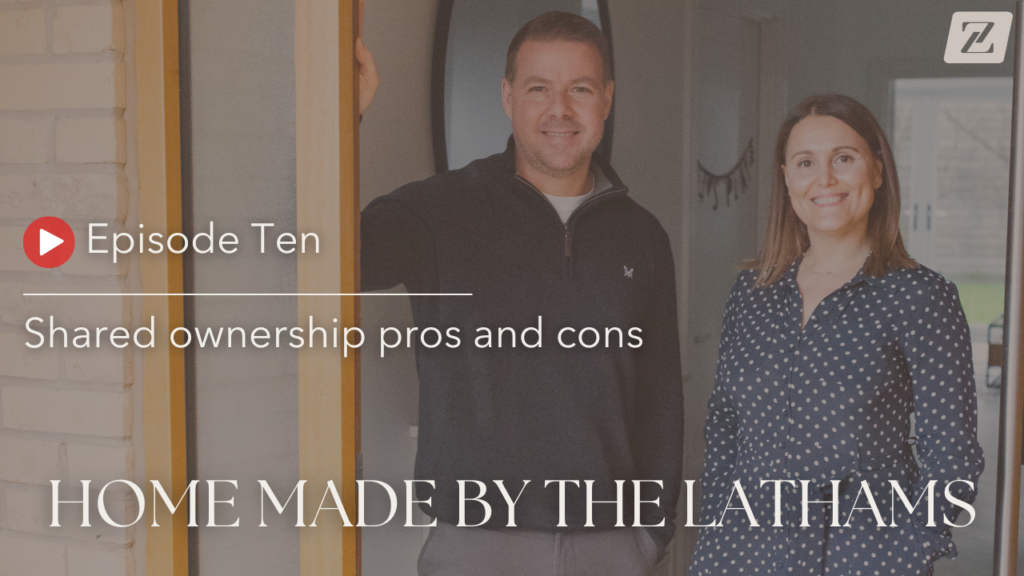
In this episode of Home Made By The Lathams, we discuss the pros and cons of shared ownership, when it may make sense, and why doing your homework first is so important.
Before choosing any scheme, it is always worth exploring all of your options and understanding exactly how it could affect your finances both now and in the future.
What is shared ownership?
Shared ownership is a government supported housing scheme designed to help people buy a home who might not be able to afford to purchase a property outright.
Instead of buying 100% of the property, you buy a share of the home, usually between 25 percent and 75 percent, and pay rent on the remaining share to a housing association.
Over time, many schemes allow you to increase the share you own, a process known as staircasing, until you potentially own the property outright.
However, the structure and rules can vary depending on the housing association and the specific development.
How shared ownership works
With shared ownership, your monthly costs will usually include:
Your mortgage payment on the share you own
- Rent on the remaining share owned by the housing association
- Service charges or maintenance costs if applicable
These costs are all considered during a mortgage affordability assessment.
Because you are paying both a mortgage and rent, lenders will factor this into your application when calculating how much you can borrow.
What types of property are available under shared ownership?
Shared ownership properties are typically new build homes or housing association properties, although occasionally resales of existing shared ownership homes are available.
These properties are usually leasehold, meaning you own the property for a set period of time rather than the land itself.
Common shared ownership property types include:
- New build apartments
- New build houses on housing developments
- Resale shared ownership homes through housing associations
Because many shared ownership homes are leasehold, service charges and maintenance fees are common and need to be carefully considered.
Who is shared ownership for?
Shared ownership can work well for people who:
- Are first time buyers
- Have a lower household income
- Want to buy in higher priced areas such as London or Surrey
- Have a smaller deposit
- Cannot currently afford a full mortgage on a property
For some buyers, it provides a way to get onto the property ladder sooner than they otherwise could.
However, it is important to remember that it is not the right option for everyone.
The pros of shared ownership
Shared ownership can offer several benefits for buyers who meet the criteria.
Lower deposit requirements
Because you are purchasing only a share of the property, the deposit required is usually lower than buying the property outright.
Getting onto the property ladder sooner
In expensive areas, buying 100% of a property may simply not be possible initially. Shared ownership can make home ownership more accessible.
Opportunity to increase ownership later
Many schemes allow you to buy additional shares over time, which can gradually increase your ownership of the property.
The cons of shared ownership
While shared ownership can help some buyers, there are also important limitations to understand.
Multiple monthly costs
You will usually have three types of payments:
- Mortgage payment
- Rent to the housing association
- Service charges or maintenance fees
These costs can affect affordability and your overall borrowing capacity.
Leasehold restrictions
Many shared ownership homes are leasehold, which can include rules and restrictions around the property.
Selling can be more complex
Shared ownership properties can sometimes be more difficult to sell, as the housing association may have the right to find a buyer first or there may be fewer eligible buyers.
Limited flexibility
In some cases, housing associations may influence when or how a property is sold.
Should you consider buying 100% instead?
Where possible, we would usually recommend exploring whether buying 100% of a property is achievable first.
Owning the property outright generally offers:
- Greater flexibility
- Fewer ongoing fees
- A simpler selling process
Sometimes this might mean compromising on location, size, or specification.
For example, you might consider:
- Living slightly further out from a major city
- Buying a property that needs renovation
- Choosing a smaller property initially
A “doer upper” or different location could allow you to own the property fully rather than partially.
Planning your long term strategy
If you do decide that shared ownership is right for you, it is important to think about your long term plan.
Ask yourself:
- Will you want to staircase and increase your ownership later?
- Could you comfortably afford higher shares in the future?
- What is your exit strategy when it comes to selling?
Understanding your future goals will help ensure the decision works for your circumstances.
Why speaking to a mortgage adviser is important
Shared ownership mortgages can involve additional rules, lender criteria and affordability considerations.
Speaking to a mortgage adviser helps you:
- Understand whether shared ownership is right for you
- Explore alternative schemes and options
- Calculate your true affordability
- Plan your long term property strategy
Being fully informed before committing to a scheme can make a significant difference.
Watch the full video
In this episode of Home Made By The Lathams, we talk through the real life pros and cons of shared ownership, share our professional insights, and explain why research is essential before making a decision.
If you are considering shared ownership or exploring your options for buying a home, we would be happy to help guide you through the process.
You can also download our free budget planner to help understand your finances before applying for a mortgage.
Enquire here:
info@zitalathammortgages.co.uk
Watch the full video here…